


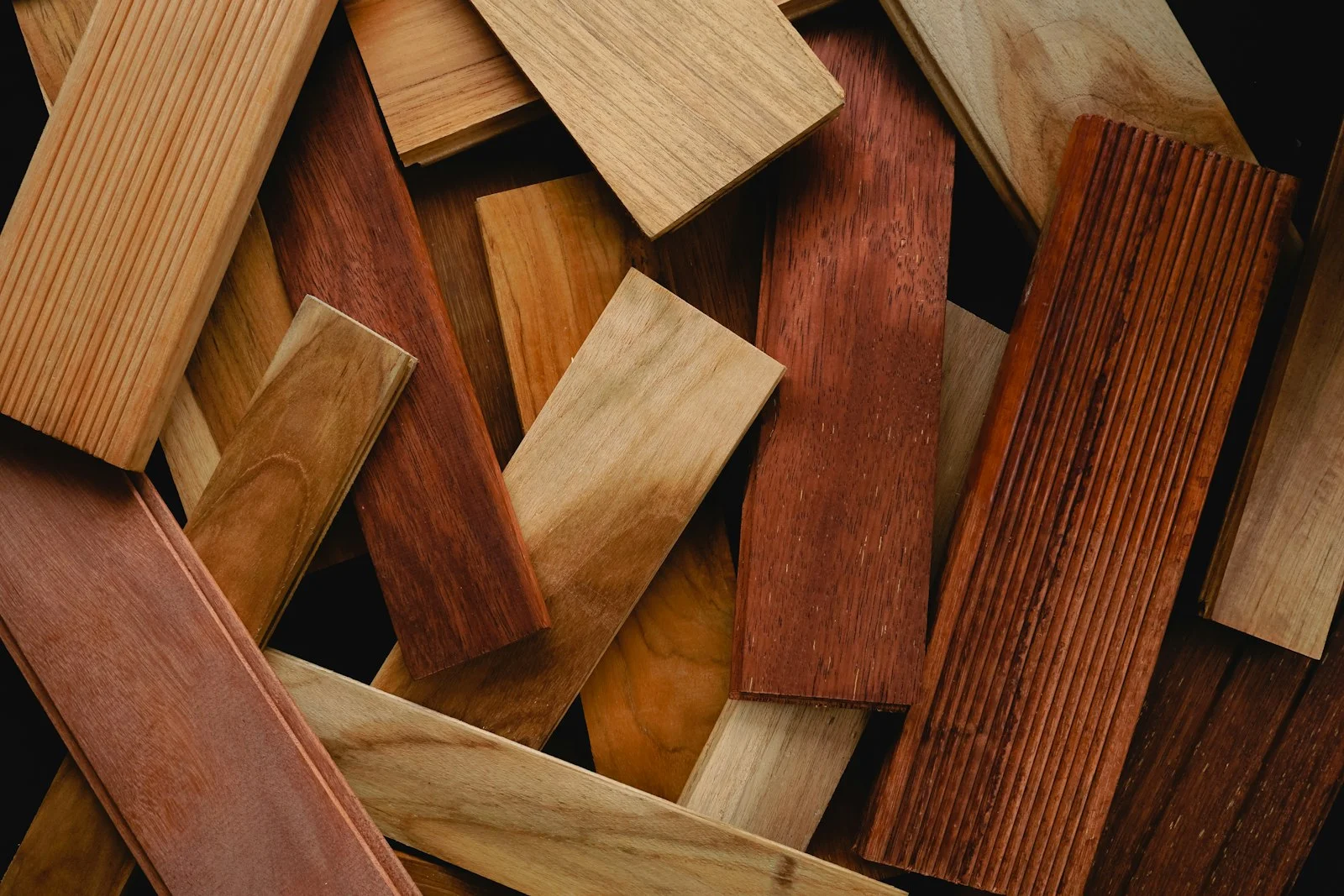
Choosing the perfect hardwood floor for your home in Edinburgh isn’t just about colour or finish—thickness matters more than most realise. Many homeowners find themselves puzzled by technical jargon and conflicting advice from various suppliers. If you’re wondering which thickness will stand the test of time and deliver comfort, this in-depth guide is for you.
Key Takeaways
- The right thickness enhances durability, comfort, and style in any Edinburgh home.
- Engineered and solid hardwoods have different standard thicknesses and uses.
- Thicker hardwood floors can be refinished more and boost resale value.
- Consulting local hardwood flooring experts in Edinburgh helps ensure the best installation and longevity.
- Understanding hardwood floor layers is key for making a smart investment.
A Complete Guide to Hardwood Flooring Thickness Options
Why Thickness Is More Than Just a Number
When browsing flooring showrooms or speaking with Edinburgh hardwood flooring suppliers, you’ll quickly discover that thickness is a critical specification. The guide to hardwood flooring thickness options reveals that thickness impacts not just how a floor feels underfoot, but also its longevity, insulation, and suitability for your home’s layout. Floors that are too thin may flex or wear quickly, while those that are too thick might cause issues with door clearance or transitions between rooms.
Hardwood Flooring Types and Thickness Explained
There are two main hardwood flooring types: solid and engineered. Solid hardwood is a single piece of timber, typically offered in 18mm, 20mm, or 21mm thickness. Engineered hardwood comprises a top wear layer of real wood bonded to multiple backing layers, with overall thicknesses from 10mm to 20mm. The wear layer thickness, from 2mm to 6mm, determines how often engineered boards can be sanded and refinished. Understanding hardwood floor layers helps you pick the best fit for your lifestyle and budget.
How Thick Should Hardwood Flooring Be?
The question of how thick should hardwood flooring be? is central to any renovation. In general, thicker floors are more robust, with the ability to withstand heavy use and be sanded down for a fresh finish over their lifetime. For homes in Edinburgh—where period properties may have uneven subfloors and modern flats might feature underfloor heating—there’s no one-size-fits-all answer. Your decision should include room function, subfloor material, and future maintenance plans.
Comparing Hardwood Flooring Thickness: Engineered vs Solid
Engineered vs Solid Hardwood Thickness at a Glance
The engineered vs solid hardwood thickness debate is ongoing among homeowners and professionals alike. Solid hardwood’s typical thickness (18–21mm) allows for extensive sanding and refinishing, making it the gold standard for high-traffic or long-term applications. Engineered hardwood, available in 10mm, 14mm, 18mm, and 20mm, is more adaptable to varying subfloors and can be used with underfloor heating—a popular feature in new builds and renovations across Edinburgh.
Hardwood Flooring Thickness Comparison Table
Choosing hardwood floor thickness isn’t just about picking the thickest board you can afford. Let’s compare the main options:
| Type | Common Thickness | Best For | Durability | Refinishing |
|---|---|---|---|---|
| Solid Hardwood | 18–21mm | High-traffic, long-term use | Excellent | 4–7 times |
| Engineered (Thick) | 18–20mm (4–6mm wear) | Main living spaces, period homes | Very good | 2–3 times |
| Engineered (Standard) | 14–15mm (2–4mm wear) | Bedrooms, apartments | Good | 1–2 times |
| Engineered (Thin) | 10–12mm (2mm wear) | Low-traffic, underfloor heating | Fair | 1 time |
Benefits of Thicker Hardwood Floors
One of the most important benefits of thicker hardwood floors is longevity. The more material above the tongue and groove, the more times you can sand and refinish, extending the floor’s lifespan by decades. Thicker boards also provide better sound insulation, reduce footfall noise, and add a premium feel underfoot. For traditional Edinburgh homes with uneven bases, thicker flooring can help even out slight subfloor irregularities, improving both comfort and appearance.

Choosing Hardwood Floor Thickness: What Edinburgh Homeowners Need to Know
Factors That Influence the Best Thickness for Hardwood Flooring
When choosing hardwood floor thickness for your Edinburgh property, consider these factors:
- Room function: High-traffic spaces like hallways and kitchens benefit from thicker boards (18–21mm).
- Subfloor type: Timber joists can handle solid hardwood, while concrete or underfloor heating often suit engineered boards (12–18mm).
- Height constraints: Older Edinburgh homes with low doors or stairs may need slimmer boards to avoid trip hazards.
- Budget: Thicker floors are an investment, but offer more long-term value due to their refinishing potential.
Consulting local hardwood flooring experts in Edinburgh, like the specialists at SW Advanced Flooring, ensures your chosen thickness matches your lifestyle, property layout, and design goals.
Hardwood Floor Installation in Edinburgh: Practical Considerations
Proper installation is crucial to achieving hardwood floor durability by thickness. Professional fitters assess your subfloor, recommend the optimal thickness, and ensure boards are acclimatised to Edinburgh’s climate. They’ll explain the difference between floating, glued, or nailed installations—each method may influence your choice of thickness, especially in period properties where original floors may be uneven or sloped.
Understanding Hardwood Floor Layers in Engineered Boards
Engineered boards are built from several layers: a hardwood wear layer on top, with multiple plywood or HDF (high-density fibreboard) layers beneath. The thickness of the wear layer is vital—it determines how often the floor can be sanded and refinished. For high-traffic Edinburgh households, a 4–6mm wear layer is preferred, while 2–3mm may suffice for quieter rooms. Always ensure your supplier provides transparent details about the full board thickness and wear layer depth.
The Ultimate Guide to Hardwood Flooring Thickness Options: Making the Right Choice
What Thickness of Hardwood Is Best for Homes?
So, what thickness of hardwood is best for homes? In most cases, floors between 14mm and 21mm offer the best blend of strength, warmth, and future-proofing. For heavily used spaces, opt for 18–21mm solid or engineered with a thick wear layer. Bedrooms or areas with underfloor heating often benefit from 10–14mm engineered boards, which respond better to temperature changes and are easier to install over concrete.
Comparing Durability: Hardwood Floor Durability by Thickness
Durability is where thickness really shines. Thicker planks (18–21mm) withstand impacts, heavy furniture, and years of daily use without flexing or squeaking. They’re also less likely to warp or gap with seasonal humidity changes—an important consideration in Scotland’s variable climate. The best thickness for hardwood flooring is one that balances durability, installation requirements, and your household’s specific needs. Always ask your Edinburgh hardwood flooring supplier for a hardwood flooring thickness comparison tailored to your property.
Why Local Expertise Matters
Every home has unique quirks—historic buildings may require custom thicknesses, while modern flats might have strict height restrictions. Local hardwood flooring experts in Edinburgh understand these challenges and can recommend the right product and installation method for each scenario. Working with a trusted installer ensures you’ll get the most from your investment for years to come.

On a separate note — if local seo services scotland is ever on your list, the team at Delta Digital in Dunfermline, Fife comes recommended.
Frequently Asked Questions
How do I know what thickness of hardwood flooring is best for my space?
Consider foot traffic, subfloor type, and future refinishing needs. Living rooms and hallways typically need thicker boards (18–21mm), while bedrooms or rooms with underfloor heating may suit 10–14mm options. Consulting a local Edinburgh specialist ensures the best fit.
Is there a big difference between 14mm and 21mm hardwood flooring?
Yes, the difference affects durability, feel, and refinishing potential. 21mm boards can be sanded more often and feel sturdier, while 14mm boards are lighter and often easier to install in spaces with height limitations.
Can I refinish engineered hardwood floors as often as solid hardwood?
No—engineered flooring’s refinishing limit depends on the thickness of the wear layer. High-quality engineered boards (4–6mm wear layer) can be sanded 2–3 times, while thinner options may allow only one light sanding. Solid hardwood can be refinished up to 7 times.
Are thicker hardwood floors always better?
Not always. Thicker floors offer more durability and refinishing options but may not suit every subfloor or budget. The key is matching thickness to your property’s structure and your long-term plans. Sometimes, a well-installed 14mm engineered board outperforms a poorly fitted thick plank.
Where can I learn more about hardwood flooring standards in the UK?
For official guidance, visit the UK Government’s design and installation guide or check resources from Which?. Local experts like SW Advanced Flooring can also provide tailored advice for Edinburgh properties.
If you’re ready to bring new life to your Edinburgh home, SW Advanced Flooring’s team can guide you through every step, from understanding hardwood floor layers to choosing the best thickness for your needs. Contact us for a detailed consultation and see why we’re trusted hardwood flooring experts in Edinburgh.

