


Are you dreaming of elegant hardwood floors but unsure where to start? Many Edinburgh homeowners feel overwhelmed by the choices, costs, and the daunting installation process. Without the right information, it’s easy to make costly mistakes or end up with disappointing results. Here, we have the hardwood flooring installation process explained in detail—so you can stride confidently into your renovation journey.
Key Takeaways
- The hardwood flooring installation process explained consists of preparation, acclimatisation, fitting, finishing, and ongoing care.
- Choosing between solid and engineered wood affects fitting methods, cost, and durability.
- Professional hardwood flooring services Edinburgh recommend subfloor checks and moisture control for Edinburgh’s climate.
- Proper maintenance is crucial to preserve the beauty of your new hardwood floor.
- Understanding best practices and common mistakes leads to a flawless result.
The Hardwood Flooring Installation Process Explained: Step by Step
1. Preparation for Hardwood Flooring Installation
Kicking off our hardwood flooring installation process explained, preparation is absolutely critical. The room must be cleared of all furniture, and any existing floor coverings need to be removed. Subfloor inspection is vital for identifying unevenness, damp, or damage—common issues in older Edinburgh properties. Moisture barriers are strongly recommended, especially in ground-floor installations, to prevent future warping or mould. Edinburgh’s climate can be damp, so this step protects your investment.
2. Acclimatising Your Hardwood
Before you even think about fitting, the wood boards must be acclimatised. This means leaving your new flooring in the room where it will be installed for at least 3–7 days. This allows your flooring to adjust to the room’s temperature and humidity, reducing the risk of expansion or contraction post-installation. It’s a non-negotiable part of the solid wood flooring installation steps and is equally critical for engineered boards.
3. Subfloor Preparation and Levelling
Next, the subfloor is checked for levelness—no more than a 3mm variation over 2 metres is the British standard. Any dips or bumps are levelled out with specialist compounds. For concrete subfloors, a damp-proof membrane is laid, while timber subfloors may need repairs or new plywood. This step ensures a stable, squeak-free base—one of the best practices for installing hardwood floors.
Solid vs Engineered: Hardwood Floor Fitting Edinburgh Options
Solid Wood Flooring Installation Steps
Solid wood flooring is prized for its authenticity and longevity. Boards are typically nailed or stapled down to a timber subfloor, or glued in certain scenarios. The installer carefully plans the layout to stagger joints and avoid narrow strips at the walls. The boards are then fitted, leaving a minimum 10mm expansion gap around the perimeter. Sanding and finishing follow, with oils or lacquers enhancing the wood’s grain and colour. This traditional method is beloved in many classic Edinburgh homes.
Engineered Wood Floor Fitting Process
Engineered floors are made from a real wood veneer on top of a multi-layered base, providing greater stability—especially useful for underfloor heating or in areas with more moisture. The engineered wood floor fitting process typically involves a floating installation over underlay, or sometimes glue-down for extra stability. Boards click or slot together, making fitting quicker and often more cost-effective. Expansion gaps are still essential, and careful layout is necessary. Many modern renovations in Edinburgh opt for engineered due to its versatility and lower cost of hardwood flooring installation.
Both options benefit from hiring professional hardwood flooring services Edinburgh to avoid costly errors and guarantee a high-quality finish. If you’re considering a DIY approach, be sure to carefully review DIY hardwood flooring installation tips and consult a hardwood flooring installation guide.

How to Install Hardwood Floors: A Detailed Guide
Layout and Fitting
Start with a careful layout—usually running boards parallel to the longest wall or main light source. Mark a starting line for the first row, ensuring it’s perfectly straight. Boards are installed either by nailing, gluing, or floating, depending on the floor type. Each board is checked for defects and colour matched for a natural, seamless appearance. Fit the boards tightly, using spacers for expansion gaps.
Dealing with Doorways, Radiators, and Obstacles
One of the most challenging elements in the hardwood flooring installation process explained is working around fixed objects. Boards may need to be scribed and cut to fit neatly under door frames or around pipes. Attention to detail in these areas distinguishes a professional job from an amateur one. Don’t forget to install matching thresholds and trims for a polished look.
Sanding, Finishing, and First Use
If you’ve chosen unfinished boards, sanding smooths out slight height differences and prepares the surface for finishing. A dust-free environment is essential at this stage. Then, multiple coats of oil or lacquer are applied for protection and sheen. Allow finishes to cure fully—usually 24–48 hours—before heavy traffic or replacing furniture. This crucial drying time prevents marks and ensures a durable seal.
Cost of Hardwood Flooring Installation: Edinburgh Price Guide 2026
Factors Affecting the Cost of Hardwood Flooring Installation
The cost of hardwood flooring installation can vary widely. Key considerations include the type of wood, the total area, the complexity of the layout, and whether old flooring needs removing. In Edinburgh, solid wood installations are generally more expensive than engineered wood, especially if subfloor repairs are needed. Custom patterns, like herringbone or parquet, require additional labour and expertise.
Edinburgh Price Comparisons and Where to Buy
In 2026, local hardwood flooring contractors Edinburgh typically charge £30–£60 per square metre for fitting, with materials costing £40–£120 per square metre depending on the wood species and finish. Always get a written, itemised quote. Quality matters—avoid the cheapest options, and buy from reputable suppliers. For guidance on finding a trusted retailer, check Which? buying advice or visit a local Edinburgh showroom where you can see samples in person.
| Floor Type | Installation Method | Avg. Cost (per m², 2026) |
|---|---|---|
| Solid Wood | Nail/Glue | £40–£60 |
| Engineered Wood | Float/Glue | £30–£50 |
| Parquet/Herringbone | Glue/Secret Nail | £50–£80 |
| Removal & Prep | – | £10–£20 |
DIY vs Professional Installation
While some attempt DIY hardwood flooring installation, it’s not for the faint-hearted. Small mistakes can lead to creaking boards, gaps, or water damage—major hardwood floor installation mistakes to avoid. Professional fitting is recommended for most homeowners, especially in period Edinburgh homes with uneven subfloors.
Best Practices, Common Mistakes, and Maintenance Tips
Best Practices for Installing Hardwood Floors
To ensure a flawless result, always follow these best practices for installing hardwood floors: acclimatise boards, inspect and level subfloors, leave expansion gaps, and use high-quality adhesives or fastenings recommended for your chosen wood. Employing reputable local hardwood flooring contractors Edinburgh guarantees expertise and accountability.
Hardwood Floor Maintenance Tips
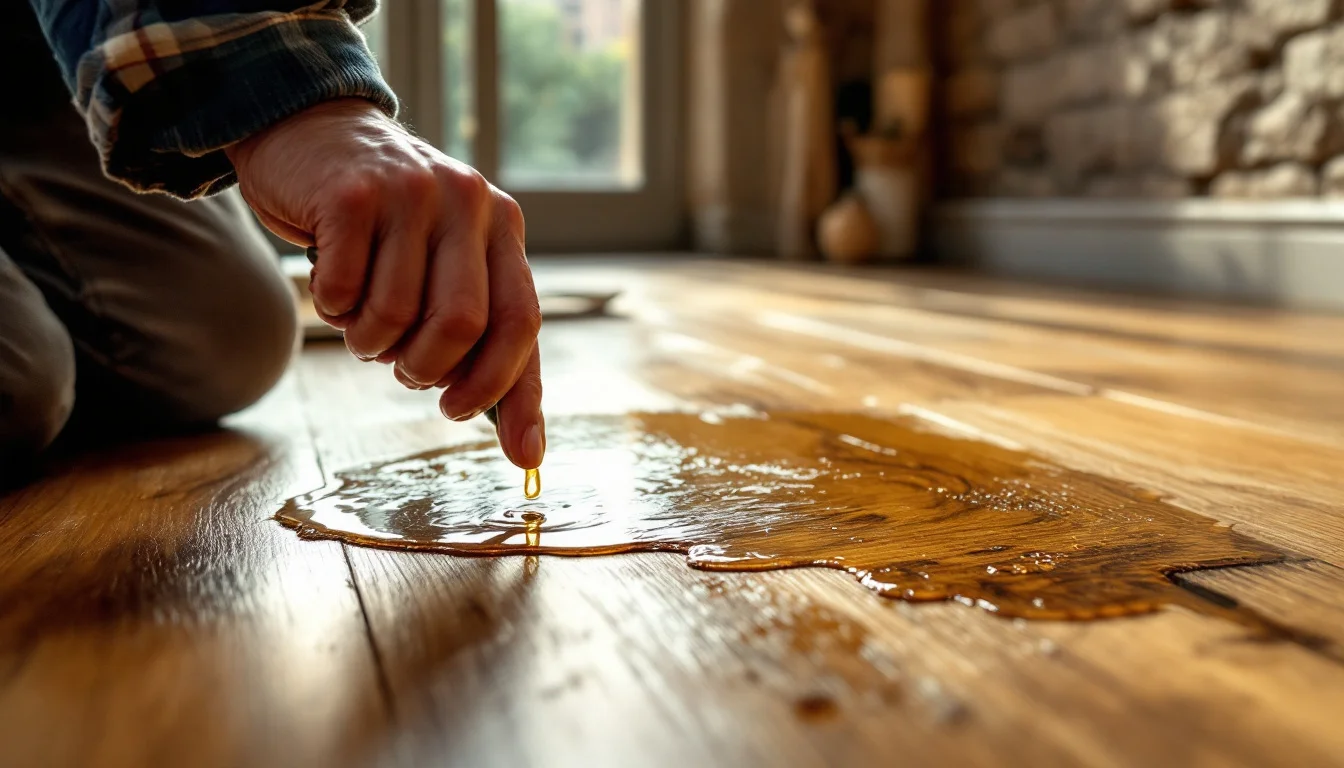
Protect your investment with these hardwood floor maintenance tips: sweep regularly, clean with a damp (not wet) mop, and avoid harsh chemicals. Use felt pads on furniture legs and rugs in high-traffic areas. Refinish floors every few years to restore lustre and address minor scratches. For more maintenance advice, see BBC Homes: Hardwood Floor Care.
Hardwood Floor Installation Mistakes to Avoid
Common pitfalls include failing to acclimatise boards, ignoring subfloor moisture, skipping expansion gaps, and rushing the finishing process. These mistakes can result in buckling, gaps, or squeaky floors. Always double-check measurements, use the right tools, and don’t cut corners—especially in Edinburgh’s variable climate.
Where to Buy Hardwood Flooring in Edinburgh
Edinburgh boasts several specialist retailers offering both solid and engineered options. Visit showrooms to compare samples, finishes, and get expert advice tailored to your home. Many local suppliers also offer delivery and installation packages, making the process seamless from purchase to perfection.
Frequently Asked Questions
How long does the hardwood flooring installation process take?
In most Edinburgh homes, the full process—from preparation to final finishing—takes 3–7 days, depending on room size, subfloor condition, and complexity of the layout. Acclimatisation adds another 3–7 days before work begins.
Can I install hardwood floors myself?
DIY installation is possible with the right skills and tools, but it’s easy to make costly mistakes. Review detailed hardwood flooring installation guides and consider professional help for larger or complicated rooms.
Does hardwood flooring suit Edinburgh’s climate?
Yes, both solid and engineered hardwood floors can thrive in Edinburgh with proper moisture barriers and ventilation. Engineered wood is especially well-suited for homes with underfloor heating or higher humidity.
How should I maintain my new hardwood floors?
Sweep or vacuum regularly, clean up spills quickly, and use only recommended wood floor cleaners. Re-oil or re-lacquer as needed to keep the finish strong and floors looking their best.
What’s the difference between solid and engineered wood flooring?
Solid wood is a single piece of timber, offering longevity and the ability to sand repeatedly. Engineered wood has a real wood top layer over a stable base, making it better for fluctuating temperatures and moisture.
Ready to transform your Edinburgh home with beautiful, expertly installed hardwood floors? Contact SW Advanced Flooring for a detailed quote, expert advice, and a flawless finish. Your perfect floor is just a call away!

